Year 3
Week beginning 19th of October 2026
We cannot believe it is already the last week of this half-term! We are really proud of all that the children have achieved and the enthusiasm they have shown towards their learning. Last week, the children researched Anglo-Saxon life, developed their addition and subtraction skills, explored how light passes through materials and reflected on forgiveness. We look forward to a lovely final week together. Thank you for your continued support throughout this half-term.
Worship Theme This Week:
CHALLENGES
Joshua 1:9 Be strong and courageous; do not be frightened or dismayed, for the Lord your God is with you wherever you go.
Deuteronomy 31:6, Be strong and bold; have no fear or dread of them, because it is the Lord your God who goes before you. He will be with you; he will not fail you or forsake you.
Important dates and messages:
Key Dates:
PE days in Year 3 are Tuesdays – please remember to send your child into school every Tuesday in their PE kit.
The calendar section on the website lists all major events throughout the academic year, but here are some reminders:
- Thursday 1st October – Harvest celebration
- Monday 12th October – Individual and sibling photographs – Frazer Portraits
- Friday 16th October – 170th birthday celebrations. 4 pm – 7 pm
- Friday 23rd October - Break up for half-term
- Monday 2nd November – Children return for term 2
- Wednesday 4th November – Year 4 swimming starts
- Saturday 7th November – St. James’ Open Morning for new parents. 10 am - 12 pm
- Friday 13th November – Mufti Day for Children in Need
- Tuesday 15th December – Year 5 and 6 Carols by Candlelight – church
- Friday 18th December - Break up for Christmas holidays
Curriculum
English: We will write and publish our own non-chronological reports about the Anglo-Saxons.
Maths: We will practise subtracting ones across tens and tens across hundreds, then add and subtract two numbers without exchanging.
Science: We will learn how shadows are formed.
History: We will learn about Alfred the Great.
RE: We will complete our half-term learning on creation.
Computing: We will continue developing our keyboard skills through touch typing.
The children will also enjoy PE, library time, spelling, handwriting, reading and our Live and Inspired session throughout the week.
Our new class book:
Varjak Paw by SF Said
Homework:
This term's project homework is at the bottom of the page.
The children have received their project homework and an overview. Please choose at least two tasks to complete throughout our project. The children are welcome to complete more if they wish.
We look forward to seeing what they produce in our homework museum.
We also encourage children to practice the statutory Y3/4 spellings.
Spellings
Research shows that learning just 13 of the most frequently used words will enable children to read 25% of any text. Learning 100 high-frequency words gives a beginner reader access to 50% of virtually any text, whether a children's book or a newspaper report. When you pair sight recognition of common and tricky words with phonics knowledge, a child's reading can really take off.
These word lists include the first 100 and the next 200 most common words children encounter in their reading. The words are listed in frequency order, reading down the columns from the most common, 'the'.
Spellings we are learning in our spelling lessons this half-term:

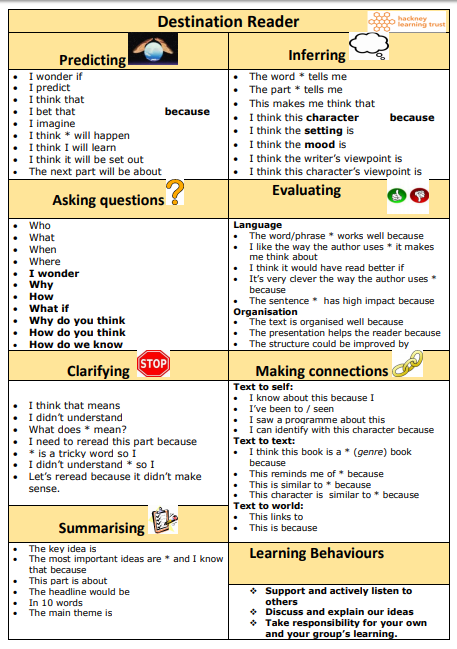
Reading:
We would love to see Year 3 using their extra time at home to read some brilliant books. If children read three times at home, they get a raffle ticket. Please keep a quick record in reading logs; your children can write the title in to help! We would also like to encourage children to bring their reading records to school every day.
Reading books – we would like to remind everyone to have a reading book in school – this can be a school or home book. We want all children to share recommendations and reviews of what we have read recently. We display books we've read in the classroom to get children talking about the stories they love and inspire others to try new titles.
Additional resources
Below are some other resources that you can use for optional work at home:
Recommended reading list:
English reading activities:
English reading activities should include reading an extract or a short story and answering questions. Guidance here: https://www.youtube.com/watch?v=q4Y_67GMkP4
https://www.topmarks.co.uk/english-games/7-11-years/reading
- All activities through this link
https://www.bbc.co.uk/bitesize/topics/zs44jxs
- What are facts and opinions?
- What does an author do?
- What is inference?
https://www.everyschool.co.uk/english-key-stage-2-comprehension-2.html
- All activities through this link
Maths
MyMaths – We will set up MyMaths tasks termly, based on the learning we will be doing this term. Two per week is our minimum recommendation. MyMaths login details are on the back of their reading record.
TTRS should be the main way children practice their timetables. Children should still be completing 3 sound checks and 2 garage bands a week.
However, if they would like a change or focus on particular tables, they can use "Hit the button".
https://www.topmarks.co.uk/maths-games/hit-the-button
https://www.topmarks.co.uk/ - This website is a good resource to find fun games for children to play, with specified age ranges.
Many thanks for all of your support,
Mrs Johnson and Mrs Allery.